
Psychological Therapies for Treating Anxiety Disorders | Psychological Expert
Anxiety disorders are characterized by excessive, vague, and persistent worry. Uncontrollable anxiety affects both the mental and physical health of the patient. Therefore, proactive treatment is necessary to manage this condition. Psychologists focus on reducing excessive anxiety and stress, improving physical health, and equipping patients with the skills to cope with stressful situations.
Nguyen Thi Hong Hanh | Doctor - SnS Institute of Psychology and Mental Health
Center for Community Health and Development Research
1. Psychotherapy
Psychotherapy is the primary method in treating anxiety disorders. This method does not use medication but instead works through interaction between a psychologist and the patient to change the patient's perceptions and thoughts, helping them overcome excessive fear and obsessions. Psychologists say this method also helps patients relieve stress and express their thoughts and opinions.
 Psychotherapy is the primary method in treating anxiety disorders.
Psychotherapy is often administered by psychologists alongside pharmacological treatment to improve mood and increase cooperation during therapy. In addition to changing the patient's thoughts and perceptions, this method also helps patients adjust their behavior, form good habits, and become more proactive in life.
According to psychologists, psychotherapy is a form of "healing through words," making it safe and gentle. Furthermore, psychotherapy equips patients with the necessary skills to stabilize their lives, integrate, and adapt to the community.
2. Pharmacotherapy
According to psychologists, medication used in the treatment of anxiety disorders aims to relieve negative emotions and reduce symptoms of autonomic nervous system dysfunction, including physical symptoms (rapid heartbeat, sweating, headache, insomnia, etc.). The principle when using medication to treat this condition is to avoid using multiple types of medication and to limit prolonged use.
Types of medications used in the treatment of anxiety disorders:
- Selective reuptake inhibitors (SSRIs)
- Serotonin and norepinephrine reuptake inhibitors (SNRIs)
- Tricyclic antidepressants (TCAs)
- Monoamine oxidase inhibitors
- Sedatives, anti-anxiety medications
- Antipsychotic drugs

Medication can help improve anxiety and depression.
Medications for anxiety disorders can cause a number of side effects. Therefore, patients need to see a psychologist to receive the correct treatment plan and address any unwanted side effects promptly.
3. Support measures
Anxiety disorders significantly impact the emotions and lives of sufferers. Therefore, in addition to specialized treatments, psychologists recommend that patients adopt several supportive measures to improve their mood and alleviate the physical symptoms caused by this disorder.
Supportive measures in the treatment of anxiety disorders:
- Meditation: Psychologists have proven meditation to be a supportive therapy for anxiety disorders, depression, and other common emotional disorders. During meditation, the body and mind unite, helping to clear away worries, stress, and anxiety from thoughts. In addition, this technique helps regulate breathing, improve brain function, cardiovascular health, and the function of other internal organs.
- Deep breathing: Deep breathing is a simple way to relieve stress and anxiety. According to psychologists, deep breathing techniques also help maintain calmness and control excessive emotions. To practice this technique, sit or stand upright, relax your body, and inhale deeply through your nose, exhaling slowly through your mouth. Repeat this a few times to improve your mood and soothe feelings of anxiety and stress.
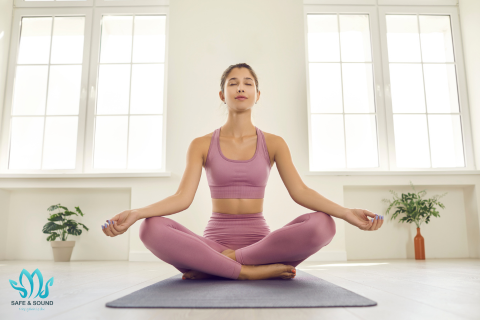
Deep breathing helps relieve stress and anxiety.
- Aromatherapy: Scents can stimulate the sense of smell and have an impact on the brain. This helps produce hormones such as serotonin and endorphins. Psychologists say these hormones have a relaxing effect, relieve stress and anxiety, and bring about a comfortable and optimistic mood. In addition, aromatherapy also helps calm the nerves and effectively improve sleep quality.
- Balance your time between rest, work, and study. Avoid working and studying intensely, which puts stress on your brain. This will only worsen anxiety and stress levels over time.
- Establish a balanced diet with all the necessary nutrients such as carbohydrates, vitamins, minerals, and protein. Psychologists emphasize that patients should also limit foods high in saturated fat, sugar, alcohol, and coffee, and avoid smoking.

Safe and Sound Clinic - Family mental and health support
With a team of experienced doctors and specialists, Safe and Sound Clinic is a pioneer in comprehensive healthcare, offering services ranging from medical to psychological care.
"Early preparation - Timely support - Long-term partnership."
If you suspect or experience any physical or mental health problems, please contact our HOTLINE at 0964 778 911 (Phone/Zalo, 24/7) for prompt assistance and answers!
HOW TO SCHEDULE AN APPOINTMENT for online or in-person consultation with a specialist.
- At the SnS Clinic - IMT Institute
- Alternatively, download and schedule a consultation on the Safe and Sound app to manage and track your appointments anytime, anywhere.
.png) Safe and Sound (SnS) - part of the Institute of Applied Medical Technology (IMT)
Safe and Sound (SnS) - part of the Institute of Applied Medical Technology (IMT)
See more:
